The Fed’s Expanded Toolkit
Fed Chair Yellen’s speech at Jackson Hole, Wyoming on August 26, 2016 offers an expose on the Fed’s toolkit, past, present, and possibly future.

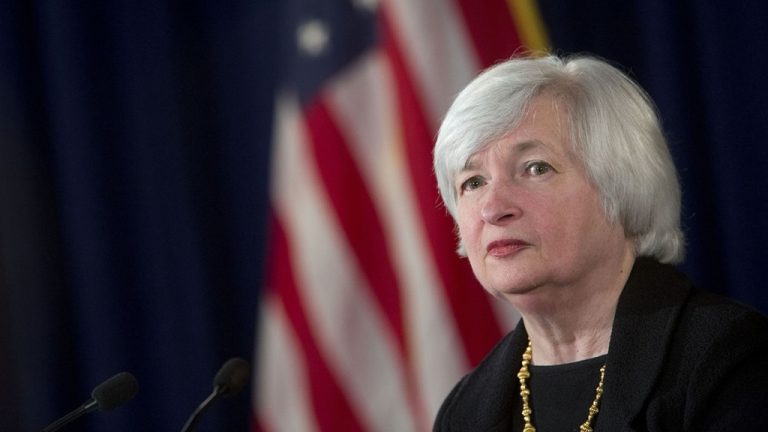
Fed Chair Yellen’s speech at Jackson Hole, Wyoming on August 26, 2016 offers an expose on the Fed’s toolkit, past, present, and possibly future.
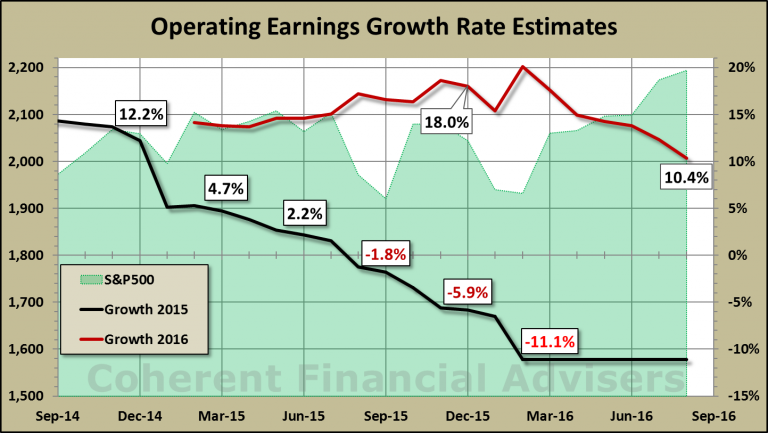
At current levels the stock market is paying above average prices for projected sales growth and margins that shatter 15-year records. There have been some believable signs of earnings improvement, but the markets may already have priced this in.

This is not meant to be just a philosophical question, but a very practical one. What you believe moves the market affects how you make your investment decisions. Realizing that you don’t know the answer can be more valuable than thinking with certainty that you do know.

Thomas Paine’s “Common Sense” spoke to the common American reasoning for independence from Great Britain. In an ironic turn, 240 years later, Britons voted for independence from the European Union just days before Americans celebrate their Independence Day.
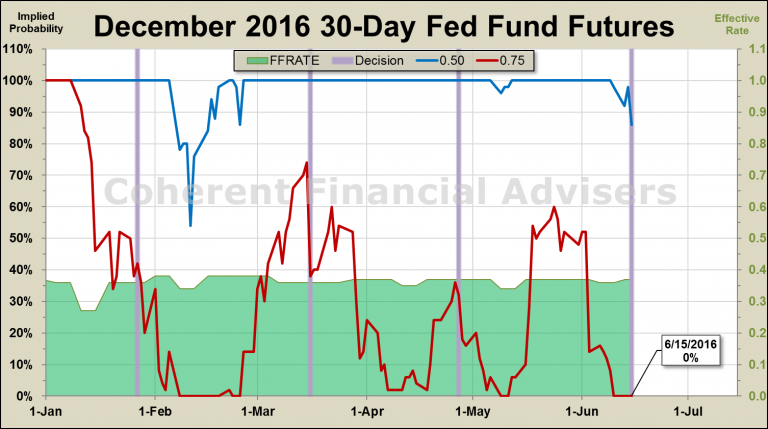
Will the Fed raise short-term rates this year? How have their decisions affected stock and bond markets? The salient question is what the market thinks The Fed will do. Get ready for some objective answers.

The difference in calendar year returns by selling in May is this: You have a 60% chance of under-performing, but in return for less volatility. Selling in May can be a significant benefit to the investor in market down-trends, but then it’s not about selling in May anymore. Investing has always depended on knowing what is the trend now, and what is its likelihood of changing in the near term.
First quarter 2016 earnings expectations as of the end of April are for yet another quarter of sales and earnings contraction. Excessive optimism has been a consistent theme for more than a year. Is it possible for the market to grow the estimated 15% by year end?
Volatile stock markets create conditions that can interfere with investor decisions. Learning how to recognize cognitive biases and understanding financial behaviors can help investors manage emotions and deal with negative financial and geopolitical news.
It’s been a tumultuous period since September 2014 when the first crack appeared in the bull market which started in 2011. One year later, the August 2015 tremors would confirm a market that had topped and was correcting. The January aftershocks squelched any remaining euphoria evident in the preceding October rally.
Since the post-Greenspan Fed declared glasnost, studying Fed speeches has become more gratifying and educational. I want to focus on the speech given at the Economic Club of New York on March 29th by the Chair of the Board of Governors of the Federal Reserve System, Janet Yellen. I believe it sets the tone for the rest of this year if not the decade.